Pull up Shelby Park on three different real estate sites in the same week and you will get three different stories about the same neighborhood. One says values are falling. Another says they are climbing by high single digits. A third splits the difference and calls it flat. None of them are wrong. That is the actual problem.
As of late July 2026, Zillow's home value index put the average Shelby Park home at $204,426, down 0.8% over the prior year. Redfin, pulling from the same general window, listed an average sale price of $237,000 for the most recent month, down 6.1% year over year, while its three-month median for the period ending June 2026 came in at $257,360, down 2.9%. Homes.com published at least three separate figures across different pages of its own site: a trailing 12-month average of $223,682 (up 5%), a trailing 12-month median of $237,500 (up 6%), and a separate local guide showing a trailing 12-month median of $212,500 (down 10%). NeighborhoodScout, working from a broader dataset, listed the median real estate price at $272,297.
Seven numbers, one neighborhood, one general stretch of 2026. The spread between the low end and the high end is nearly $70,000, which is close to a third of the neighborhood's own median. If you are comparing Shelby Park to another Louisville neighborhood using any single one of these figures, you are comparing against a number that four other reputable sources would tell you is wrong.
| Source | What it measured | Figure | Trend |
|---|---|---|---|
| Zillow (ZHVI) | Average home value | $204,426 | down 0.8% YoY |
| Redfin | Average sale price, most recent month | $237,000 | down 6.1% YoY |
| Redfin | Median sale price, 3-month window ending June 2026 | $257,360 | down 2.9% YoY |
| Homes.com | Average sale price, trailing 12 months | $223,682 | up 5% YoY |
| Homes.com | Median sale price, trailing 12 months | $237,500 | up 6% YoY |
| Homes.com (separate page) | Median sale price, trailing 12 months | $212,500 | down 10% YoY |
| NeighborhoodScout | Median real estate price | $272,297 | not month-specific |
Why One ZIP Code Can Produce Seven Answers
The mechanism is not complicated once you see it, but it rarely gets explained. Redfin's own data shows the source of the problem plainly: 14 homes sold in Shelby Park in June 2026, up from 11 the June before. That is the entire dataset a monthly median or average has to work with. In a market that size, one $650,000 renovated duplex closing in the same month as three $180,000 unrenovated shotguns will swing the average by tens of thousands of dollars. Swap the mix the following month and the number swings back. None of the platforms are miscalculating. They are each taking an honest snapshot of a pool too small to hold still, and each one happens to be catching a different mix of closings depending on the exact window and home-type filter it uses.
This is not a Shelby Park-specific glitch. It is what happens to any automated valuation model when it is applied to a neighborhood with low transaction volume and a housing stock split between two genuinely different products. And Shelby Park has both problems at once.
Two Markets Wearing One Name
The housing stock itself explains the rest. Shelby Park's single-family homes typically run 1,000 to 2,000 square feet and sell in the $150,000 to $350,000 range. A few blocks over, or sometimes on the same block, sit 2,000 to 6,000 square foot apartment buildings and duplexes priced between $375,000 and $875,000. These are not variations on a theme. They are two different asset classes occupying the same neighborhood boundary, and a monthly median that blends them tells you almost nothing about what either one is actually worth.
Part of what is pulling multifamily product into that upper band is proximity to the University of Louisville, which sits close enough to make Shelby Park attractive for student rentals and short-term stays. That demand shows up in the zoning, too. Two houses that look nearly identical from the sidewalk can sit under completely different rules for what an owner is allowed to do with them, and that difference matters more to your return than the color of the front door.
If you are shopping this neighborhood as an investor, the median is not just imprecise. It is answering a question you did not ask.
What the Park and the Market Are Actually Selling
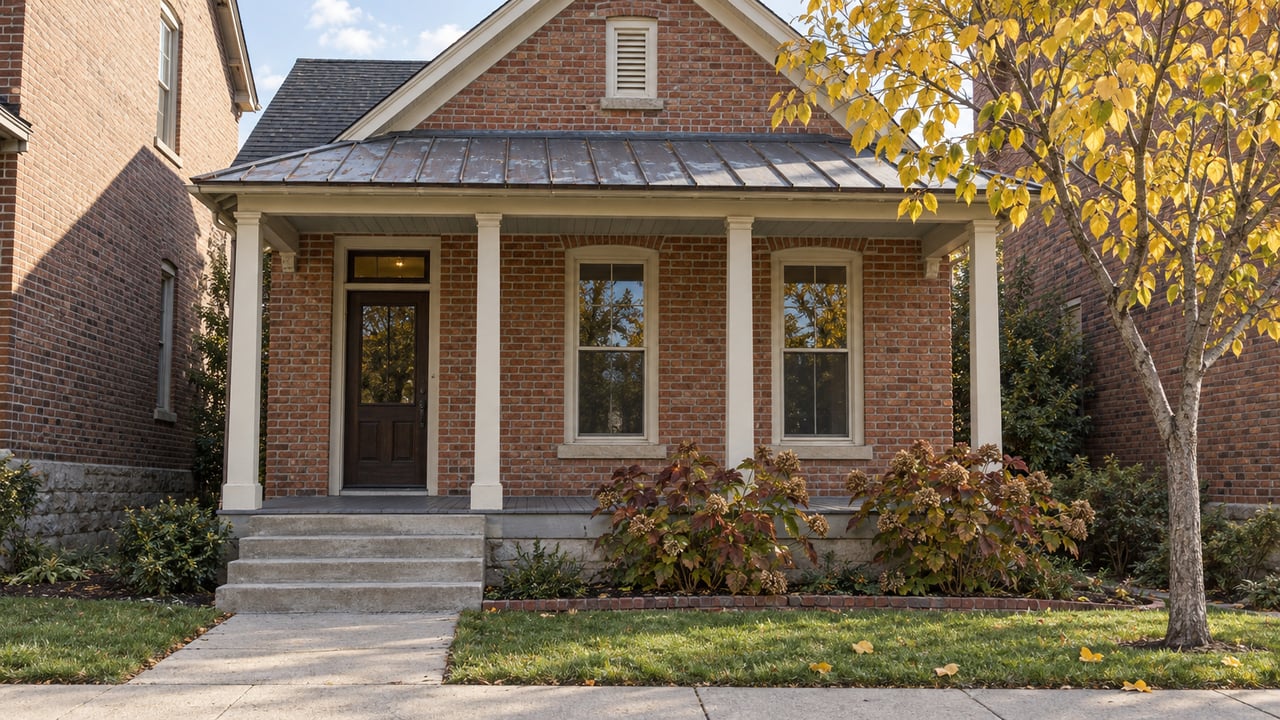
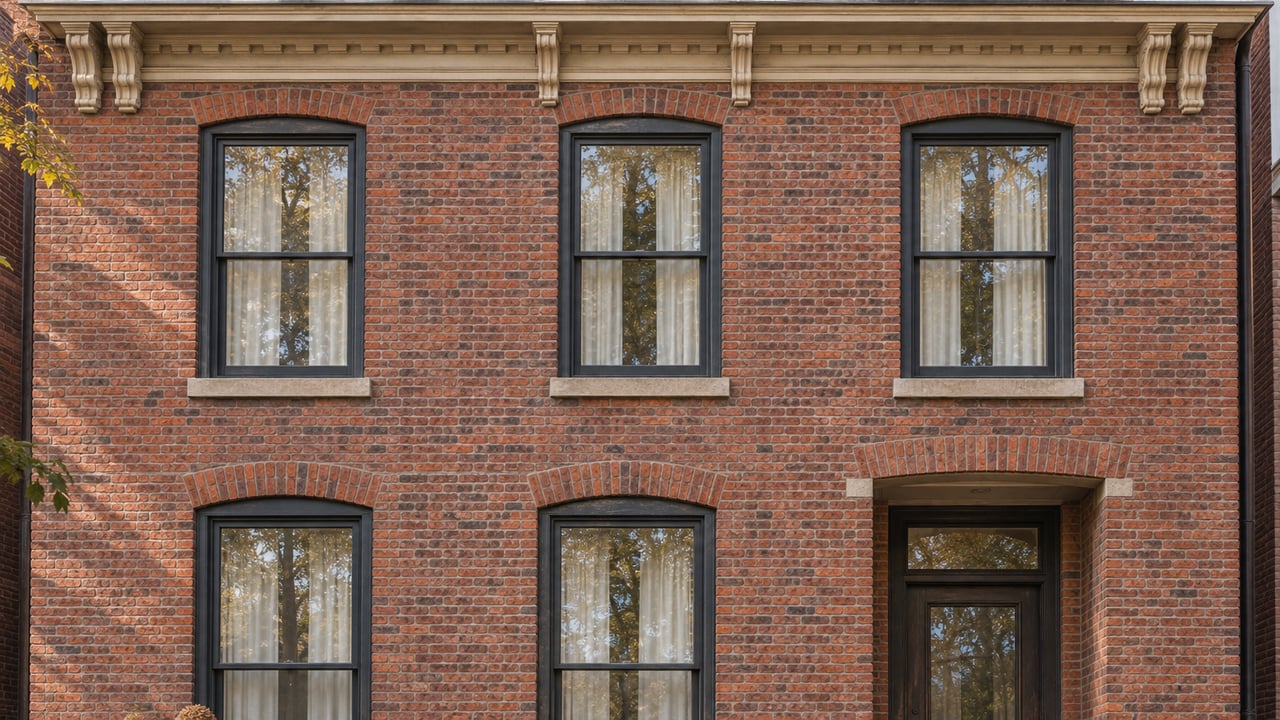
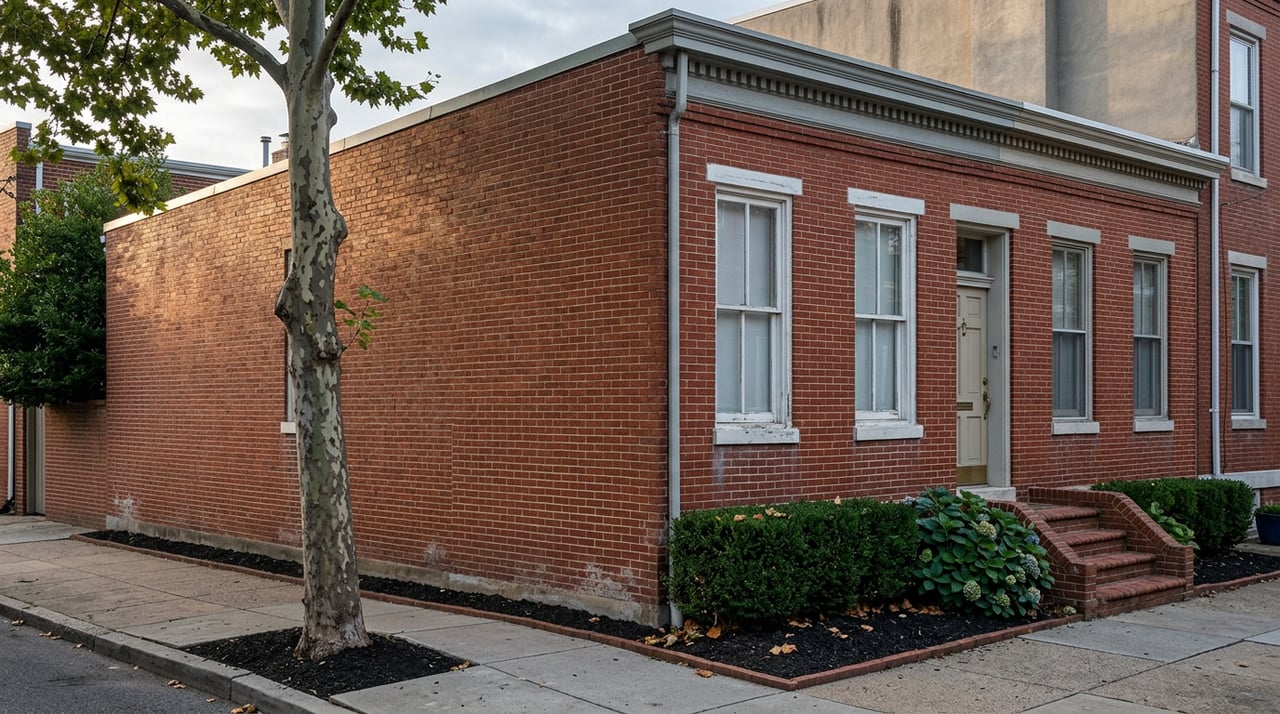
The neighborhood earns its name from an actual park, not a marketing label. The 17-acre Shelby Park was designed by the Olmsted Firm in 1907 and includes a Carnegie library building, designed by architect Arthur Loomis, that now operates as a community center. It sits at the center of a housing stock built mostly between 1900 and 1910, shotgun cottages and camelback houses alongside two-story Federal-style brick buildings, with public murals and artist studios filling in the gaps between them.
Commercial energy has followed the residential push. Logan Street Market, Louisville's first year-round indoor market, opened in October 2019 and now anchors the neighborhood with food vendors, artisans, a coffee bar, and a brewery under one roof. Nearby, Atrium Brewing draws people to its patio with rotating food trucks, and Toasty's Tavern serves sandwiches and drinks in a smaller, more industrial space a few blocks south. South Shelby Street and Logan Street have both been converted into two-way streets, a change that has helped stitch together a small brewery corridor along the route between them.
None of this shows up in a Zestimate. All of it shows up in what a specific property is actually worth to the person who plans to live above the market rate or rent it out near a university campus, which is exactly why the median keeps missing the mark.
What This Means If You're Comparing Neighborhoods
If you are cross-shopping Shelby Park against another Louisville neighborhood using a portal's headline number, stop and ask what that number is actually made of. A median or average pulled from a market this small and this bifurcated is not describing a typical home. It is describing whatever handful of closings happened to land in that particular window.
The better question is not "what is Shelby Park's median price" but "what does a home like the one I want actually sell for." That means pulling comparable sales filtered by square footage and property type, not neighborhood-wide averages. A 1,200-square-foot single-family shotgun and a 4,000-square-foot fourplex are not comparable properties just because they share a zip code, and treating them as the same market will lead you to either overpay for the small house or underbid on the large one.
It also means checking zoning before you assume a property's use.
A Few Questions Worth Asking Directly
Which of these numbers should I actually trust? None of them in isolation. Each platform is reporting an honest calculation on a small, mixed dataset. The useful move is to ask for a comparative market analysis built from recent sales of properties that match the specific one you are considering, not a neighborhood-wide figure.
Is Shelby Park appreciating or losing value? The honest answer is that the neighborhood-wide trend line is noisy enough that a single-month or single-source answer will not hold up. Renovated multi-unit product and untouched single-family shotguns are moving in different directions at different paces, and blending them into one trend erases the signal you actually need.
What if I'm looking at Shelby Park for a rental or Airbnb property? Confirm the zoning designation on the specific parcel before you factor short-term rental income into your numbers.
Shelby Park is a real neighborhood with a real park, a real market, and a real appreciation story underneath all that noise. It just will not hand that story to you through a single number on a single website. If you are weighing this neighborhood against another one and want someone to pull the actual comparable sales for the specific type of property you have in mind, Michael Mawood can walk through it with you. Let's Connect.
This article is general information, not legal, tax or financial advice. Consult a qualified professional about your situation.